

TMJ disorder, or temporomandibular joint disorder, affects the complex joint connecting your jawbone to your skull. Patients often experience jaw pain, clicking or popping sounds during movement, and difficulty chewing or speaking. Knowing what causes TMJ disorder and recognizing its symptoms early can make a significant difference in how quickly and effectively it can be treated.
What Is TMJ Disorder
TMJ disorder involves dysfunction of the temporomandibular joint, which connects your lower jaw to your skull. Because this joint plays a central role in everyday functions like chewing, speaking, and even breathing, problems with it can quickly affect your quality of life. The condition is more widespread than many people realize, and several factors can contribute to its development.
How the Temporomandibular Joint Works
The temporomandibular joint is a hinge-and-glide joint, meaning it can both rotate and slide forward. It consists of the mandibular condyle, the articular disc, and the temporal bone. These components work together to allow smooth, coordinated jaw movement. When any part of this system is disrupted, whether through injury, wear, or misalignment, pain and limited function can follow.
Why TMJ Disorder Is More Common Than You Think
TMJ disorder affects millions of Americans, yet many people go years without a proper diagnosis because the symptoms can seem unrelated to the jaw. Stress, teeth grinding, poor posture, and bite misalignment all increase your risk. Hormonal factors may also play a role, as women are diagnosed with TMJ disorder more frequently than men. Awareness of the condition is growing, and more patients in Austin are now seeking evaluation and treatment for jaw pain they once simply lived with.
Common Symptoms of TMJ Disorder
TMJ disorder can present in a variety of ways, and not everyone experiences the same symptoms. Some people deal with mild, occasional discomfort while others face chronic pain that interferes with daily life. Knowing what to look for is the first step toward getting relief.
Jaw Pain and Tenderness
Persistent jaw pain is the most frequently reported symptom of TMJ disorder. The discomfort is often centered around the joint itself, just in front of the ear, and may worsen during or after activities like eating or talking. Some patients describe it as a dull, constant ache, while others notice sharp pain during jaw movement. The tenderness can spread to the muscles around the jaw, making even light pressure on the sides of the face uncomfortable.
Clicking, Popping, or Locking of the Jaw
Many people with TMJ disorder hear or feel a clicking or popping sensation when they open and close their mouth. This occurs when the articular disc inside the joint shifts out of position during movement. In more severe cases, the jaw may lock temporarily, making it difficult to open or close fully. While occasional clicking without pain is not always a cause for concern, clicking combined with discomfort or restricted movement warrants a professional evaluation.
Headaches, Earaches, and Neck Pain
Because the TMJ is closely connected to surrounding muscles and nerves, TMJ disorder frequently causes pain beyond the jaw itself. Many patients report chronic tension headaches that begin at the temples, as well as earaches that arise from pressure near the joint. Neck and shoulder tightness can develop when muscles compensate for jaw dysfunction over time. These secondary symptoms are often misdiagnosed, and some patients seek treatment for headaches or ear problems for years before TMJ disorder is identified as the underlying cause.
Difficulty Chewing, Talking, or Yawning
When TMJ disorder limits your jaw’s range of motion, even basic activities become uncomfortable. You may notice that chewing harder foods increases your pain, or that your jaw feels stiff when you try to open wide. Yawning can trigger sharp pain or a locking sensation. Some patients unconsciously begin favoring one side of their mouth to chew, which can create additional muscle imbalances and compound the problem over time.
What Causes TMJ Disorder
TMJ disorder rarely has a single cause. In most cases, it develops from a combination of physical, behavioral, and structural factors that place excess stress on the joint.
Teeth Grinding and Bruxism
Bruxism, or chronic teeth grinding, is one of the most common contributors to TMJ disorder. The repetitive pressure from grinding or clenching places significant strain on the joint and surrounding muscles, leading to inflammation and pain. Bruxism most often occurs during sleep, so many people are unaware they do it. Common triggers include:
- Stress and anxiety
- Dental misalignment or an uneven bite
- Sleep disorders such as sleep apnea
- Certain medications that affect the nervous system
Jaw Injuries and Trauma
A direct impact to the jaw, such as from a sports injury, fall, or accident, can damage the joint’s internal structures and set the stage for TMJ disorder. Even injuries that appear to heal quickly can result in subtle misalignment or scar tissue that causes problems later on. Fractures, dislocations, and soft tissue injuries all have the potential to disrupt normal joint mechanics.
Stress and Jaw Clenching
Physical and emotional stress often manifests in the jaw. When the body is under pressure, many people unconsciously clench their teeth throughout the day without realizing it. Over time, this habitual tension strains the muscles and joint. Other stress-related contributors include:
- Poor posture, especially forward head posture from prolonged screen use
- High caffeine intake, which can increase muscle excitability
- Sleep disturbances that prevent the jaw muscles from fully relaxing overnight
Arthritis and Joint Deterioration
Both osteoarthritis and rheumatoid arthritis can affect the TMJ. Osteoarthritis causes the cartilage within the joint to break down gradually, eventually leading to bone-on-bone contact and significant pain. Rheumatoid arthritis triggers an autoimmune response that causes joint inflammation and can erode the joint’s structures over time. Either condition can produce stiffness, clicking, and restricted jaw movement that worsens without treatment.
Bite Misalignment
When the upper and lower teeth do not come together properly, the imbalance places uneven stress on the jaw joint and surrounding muscles. Over time, this leads to muscle fatigue and inflammation in the TMJ. Bite misalignment may stem from missing teeth, poorly fitted dental restorations, or natural variations in jaw development. Addressing the alignment issue is often an important part of achieving long-term relief.
How a Dentist Diagnoses TMJ Disorder
Diagnosing TMJ disorder requires a thorough evaluation, as its symptoms can overlap with other conditions. A qualified dentist will take a systematic approach to identify what is happening in the joint and the structures around it.
What to Expect at Your Consultation
At your consultation, Dr. Schmidt will begin by reviewing your medical and dental history and discussing your symptoms in detail. The evaluation will include:
- Assessing your jaw’s range of motion and listening for clicking or grinding sounds
- Palpating the joint and surrounding muscles to identify areas of tenderness
- Evaluating your bite for signs of misalignment or uneven wear on the teeth
- Reviewing imaging such as X-rays or an MRI to assess the joint’s internal structures when needed
Why Early Diagnosis Makes a Difference
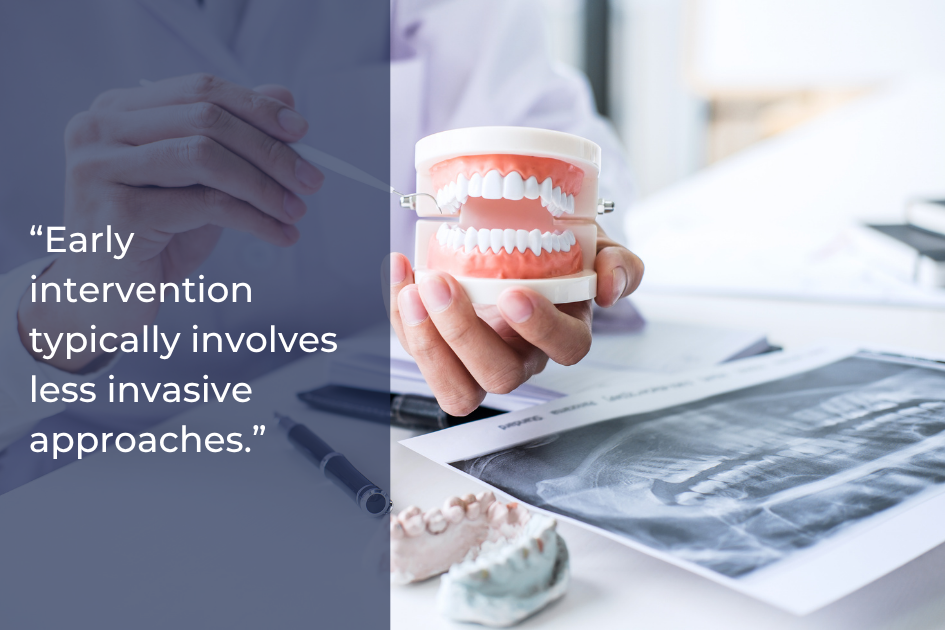
The sooner TMJ disorder is identified, the more treatment options are available, and the less likely symptoms are to become chronic. Left unaddressed, TMJ disorder can worsen over time, leading to more significant joint damage, persistent pain, and greater limitations in jaw function. Early intervention typically involves less invasive approaches and produces better long-term results for patients.
TMJ Treatment Options at Masterpiece Smiles in Austin
Dr. Schmidt offers a range of treatment options tailored to the severity of your condition and its underlying causes. The goal is always to provide effective relief with the least invasive approach possible.
Custom Oral Appliances and Night Guards
A custom-fitted night guard or oral splint is often the first line of treatment for TMJ disorder, particularly when bruxism is a contributing factor. These appliances are designed to:
- Cushion the teeth and reduce the impact of grinding during sleep
- Reposition the jaw into a more comfortable, balanced alignment
- Relieve pressure on the TMJ and allow the surrounding muscles to relax
- Reduce associated headaches and morning jaw soreness
Because they are custom-made to fit your mouth precisely, they are far more effective and comfortable than over-the-counter alternatives.
Botox Therapy for TMJ Pain Relief
Botox injections have become an increasingly effective option for TMJ-related pain. At Masterpiece Smiles, Dr. Schmidt places small injections of botulinum toxin into the masseter and temporalis muscles, the primary muscles involved in jaw movement. The injections temporarily relax these muscles, reducing clenching, spasms, and the pressure they place on the joint. Most patients notice improvement within a few days, and results typically last three to four months. The procedure takes about 15 to 30 minutes and requires no downtime, so you can return to your normal routine right away.
Lifestyle Adjustments and Stress Management
Lasting relief from TMJ disorder often requires changes that go beyond the dental chair. Dr. Schmidt may recommend:
- Jaw relaxation and gentle stretching exercises to ease muscle tension
- Stress reduction practices such as mindfulness, meditation, or yoga
- Dietary modifications, including softer foods that require less jaw effort during meals
- Ergonomic adjustments to improve posture and reduce strain on the neck and jaw
These changes complement clinical treatments and help address the behavioral and lifestyle factors that drive ongoing TMJ symptoms.
When a Surgical Referral May Be Needed
The vast majority of TMJ cases respond well to conservative treatment. However, when structural damage is significant or non-surgical options have not provided adequate relief, Dr. Schmidt will refer patients to a trusted specialist for further evaluation. Surgical options such as arthroscopy or open-joint procedures may be considered in these situations. Dr. Schmidt ensures that patients are fully informed and supported at every step of the process.
Why Choose Dr. Schmidt for TMJ Treatment in Austin
Dr. Joseph Schmidt brings over 40 years of dental expertise to every patient he sees. His approach to TMJ treatment is thorough and individualized, beginning with a detailed assessment to understand the specific factors driving each patient’s condition. He uses advanced diagnostic tools and evidence-based treatment approaches, including Botox therapy for jaw pain relief. Patients at Masterpiece Smiles benefit from receiving all care directly from Dr. Schmidt, with no hand-offs to other providers. His commitment to honest, relationship-based dentistry means you will always understand your diagnosis, your options, and what to expect from treatment.
Find Relief from Jaw Pain at Masterpiece Smiles
Jaw pain does not have to be something you simply push through. If you have been experiencing persistent discomfort, clicking, headaches, or difficulty with normal jaw function, TMJ disorder may be the cause. The good news is that with the right diagnosis and a personalized treatment plan, most patients find meaningful, lasting relief without the need for invasive procedures. Dr. Schmidt and the team at Masterpiece Smiles in Austin are here to help you understand what is driving your symptoms and guide you toward the most effective solution for your specific situation. The sooner you seek care, the more options you have, and the sooner you can get back to living without jaw pain holding you back.
