
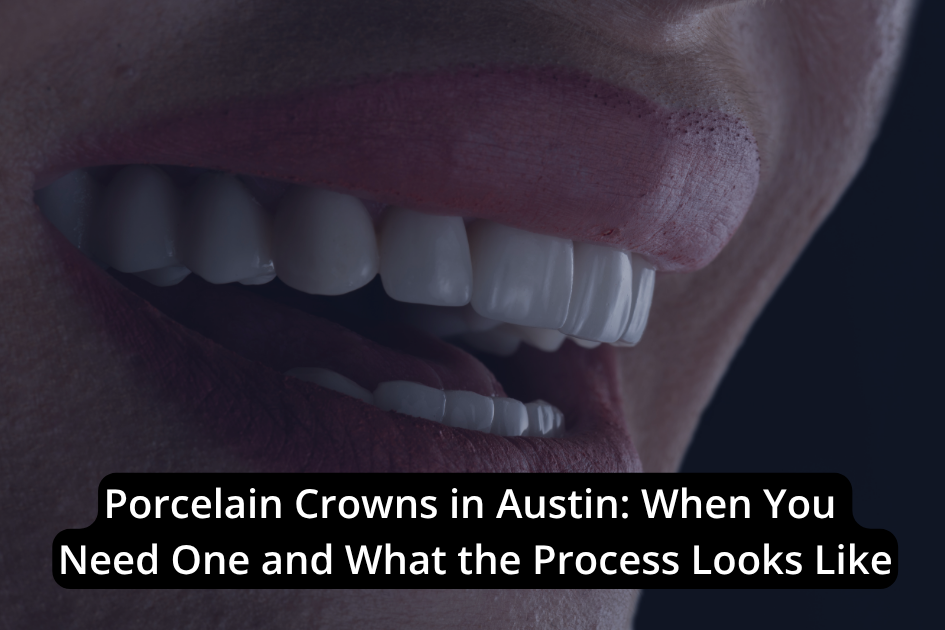
A porcelain crown can do a lot for a damaged tooth, restoring its strength, protecting it from further harm, and bringing it back to a natural appearance that blends seamlessly with the rest of your smile. If your dentist has recommended one, or if you have been dealing with a cracked, decayed, or weakened tooth and are not sure what your options are, this guide walks you through everything you need to know before your appointment at Masterpiece Smiles in Austin.
What Is a Porcelain Crown
A porcelain crown is a custom-made cap that fits fully over a damaged tooth, covering it from the gum line up. It restores the tooth’s shape, size, and strength while giving it the appearance of a healthy, natural tooth. At Masterpiece Smiles, every crown is crafted from high-quality ceramic and customized to match the color and contour of your surrounding teeth.
How a Crown Differs from a Filling or Veneer
These three restorations serve very different purposes. A filling repairs a small area of decay within the tooth structure and leaves most of the natural tooth visible and intact. A veneer is a thin shell bonded to the front surface of a tooth, primarily for cosmetic improvement. A crown is the most comprehensive of the three; it encases the entire visible portion of the tooth, making it the right choice when damage or decay is too extensive for a filling to address, or when a tooth needs structural reinforcement that a veneer cannot provide.
What Porcelain Crowns Are Made Of
Porcelain crowns are made from dental-grade ceramic, a material chosen specifically for its ability to replicate the look and feel of natural tooth enamel. The ceramic is translucent in the same way natural teeth are, which is why a well-made porcelain crown is nearly indistinguishable from the surrounding teeth. Porcelain is also biocompatible, meaning it is safe for the body and does not cause reactions in patients with metal sensitivities or allergies.
How Long a Porcelain Crown Lasts
With proper care, a porcelain crown typically lasts between 10 and 15 years. Factors that can shorten that lifespan include teeth grinding, biting down on hard foods like ice or hard candy, and inconsistent oral hygiene. Regular dental checkups allow Dr. Schmidt to monitor the condition of your crown and catch any issues early before they become bigger problems.
When Do You Actually Need a Crown
Crowns are recommended in several specific situations, all of which involve a tooth that can no longer function properly or protect itself without additional support.
Teeth That Are Cracked or Fractured
A cracked tooth is more serious than it might seem. Even a hairline fracture creates an entry point for bacteria, increasing the risk of infection deep within the tooth. Cracks also tend to worsen over time, especially under the pressure of daily chewing. A crown holds the tooth together, prevents the crack from spreading, and seals out bacteria before the damage reaches the point of needing a root canal or extraction.
Teeth with Extensive Decay
When a cavity is small, a filling is typically all that is needed. But when decay has spread to the point where it compromises a significant portion of the tooth structure, a filling alone cannot provide enough support. Placing a large filling in a heavily decayed tooth often leads to fractures down the road. A crown restores the full structure of the tooth and provides lasting protection that a filling cannot.
Teeth That Have Had a Root Canal
A root canal removes the infected pulp from inside the tooth, which is necessary to eliminate infection and save the tooth. However, it also leaves the tooth more brittle and vulnerable to fracture. In most cases, a crown is placed over a root canal-treated tooth to protect it and restore normal chewing function. Without a crown, the treated tooth is at a much higher risk of cracking, which could result in losing it entirely.
Worn Down or Structurally Compromised Teeth
Teeth can wear down gradually over time due to grinding, acid erosion, or simply years of use. When the enamel becomes significantly thinned, or the biting surface is flattened, a crown rebuilds the tooth to its proper height and function. This also helps restore the bite, which, when left uneven, can place excess stress on the jaw joint and surrounding teeth.
Crowns Used with Dental Implants and Bridges
Crowns are not only used to restore natural teeth. When a tooth is replaced with a dental implant, the crown is the visible component that sits on top of the implant post and functions as the new tooth. In a dental bridge, crowns are placed over the teeth on either side of the gap, anchoring the bridge in place and distributing biting forces across the restoration. In both applications, the quality and fit of the crown directly affect how well the restoration performs long term.
Why Porcelain Is the Preferred Material
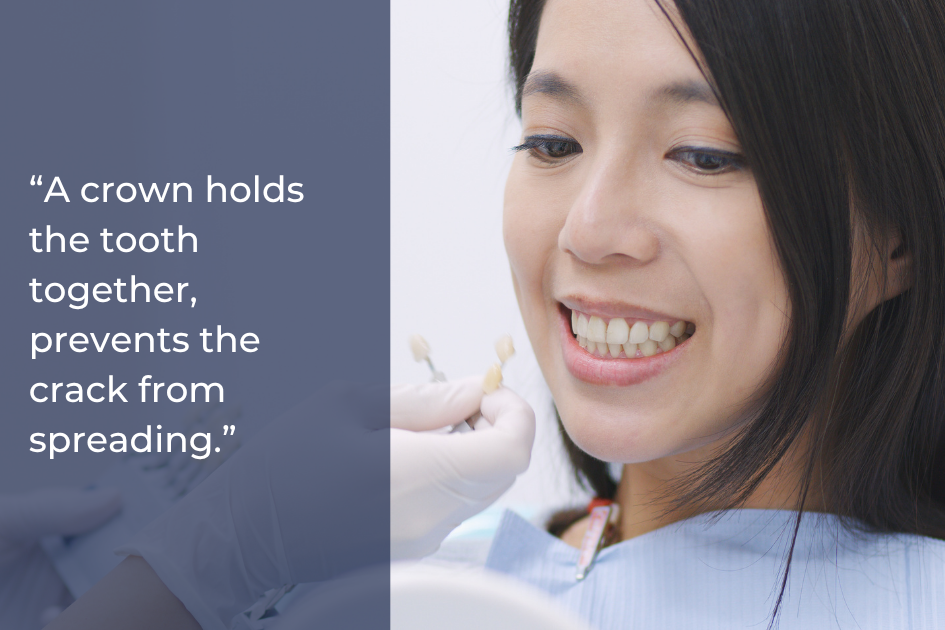
Porcelain has become the standard for dental crowns because it combines aesthetics, durability, and biocompatibility in a way no other material fully matches.
A Natural Match for Color, Shape, and Size
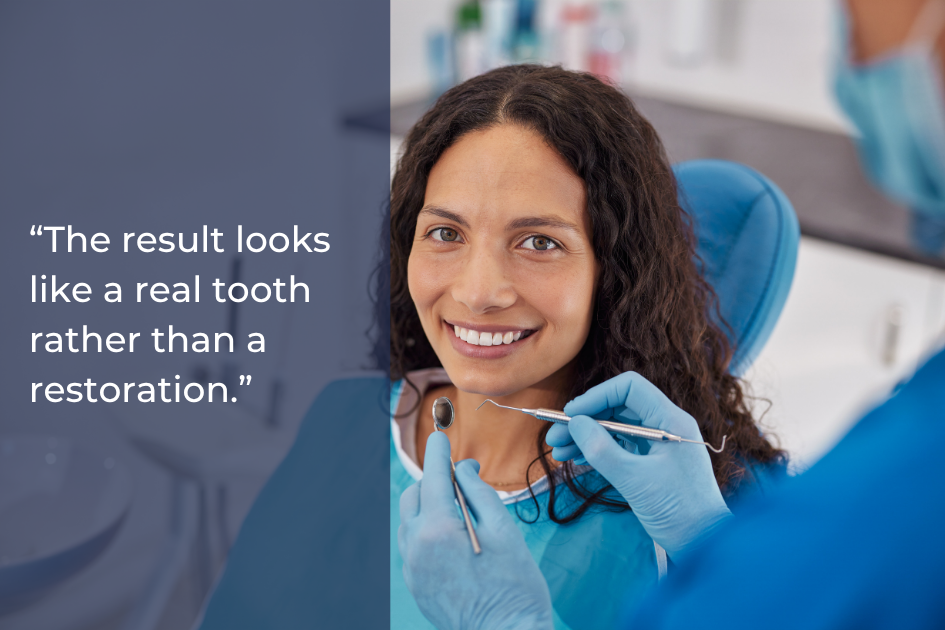
Before your permanent crown is made, Dr. Schmidt takes precise measurements and selects a shade that matches your natural teeth. The final crown is shaped to fit the contour of your bite and the proportions of the surrounding teeth. Because porcelain has a natural translucency similar to tooth enamel, the result looks like a real tooth rather than a restoration, even when it sits next to your natural teeth under different lighting conditions.
Hypoallergenic and Biocompatible
Unlike metal alloys used in some older crown materials, porcelain does not contain components that can trigger allergic reactions. It integrates comfortably in the mouth without causing irritation to the surrounding gum tissue, and it is safe for patients who cannot tolerate metal restorations. The smooth surface is also less likely to harbor bacteria than rougher materials, which contributes to the health of the gum tissue around the crown.
Strength and Crack Resistance
Modern dental porcelain is engineered to withstand the pressures of daily biting and chewing without chipping or fracturing under normal use. It protects the underlying tooth from the same forces that damaged it in the first place, giving the tooth a durable outer shell that holds up over time. While porcelain is not indestructible, with proper care it performs reliably for a decade or more.
The Porcelain Crown Procedure at Masterpiece Smiles
The crown process at Masterpiece Smiles is straightforward and patient-focused at every stage, whether you are having a traditional two-visit crown or a same-day crown using CEREC technology.
Your Consultation and What to Expect
Your first appointment begins with a thorough examination of the affected tooth. Dr. Schmidt will assess the extent of the damage, take X-rays if needed, and discuss your options. If a crown is the right treatment, he will walk you through the process, address any questions you have, and determine whether a same-day CEREC crown or a traditional crown is the better fit for your situation.
Preparing the Tooth
Before a crown can be placed, the tooth needs to be reshaped to create space for the crown to sit properly without adding bulk or affecting your bite. Dr. Schmidt removes any decay, trims the outer layer of enamel, and shapes the tooth so the crown will fit snugly and securely. Precise digital impressions are then taken to capture the exact dimensions of your tooth and the surrounding bite.
Temporary Crown vs Permanent Crown Placement
In a traditional two-visit process, a temporary crown is placed over the prepared tooth while the permanent crown is being made. The temporary protects the tooth and keeps it comfortable until your next appointment, though it is not as precisely fitted as the final restoration. At your second visit, the temporary is removed, the permanent porcelain crown is checked for fit and bite, and then cemented securely in place. If you opt for CEREC, this two-step process is condensed into a single appointment.
Same-Day Crowns with CEREC Technology
One of the standout features at Masterpiece Smiles is the availability of CEREC technology, which allows Dr. Schmidt to design, mill, and place a custom porcelain crown in a single visit.
What CEREC Is and How It Works
CEREC stands for Chairside Economical Restoration of Esthetic Ceramics. Instead of sending impressions to an outside dental lab and waiting one to two weeks for the crown to come back, CEREC uses digital 3D imaging to capture the precise shape of your tooth chairside. That data is sent to an in-office milling machine, which carves your custom crown from a solid block of ceramic in about 15 to 20 minutes. Dr. Schmidt then checks the fit and bite, makes any needed refinements, and bonds the crown the same day.
Who Is a Good Candidate for a Same-Day Crown
Most patients who need a crown are good candidates for CEREC. The technology works well for restoring cracked, decayed, or worn teeth, as well as for placing crowns on implants. Patients who have sufficient remaining tooth structure, healthy gum tissue, and no complicating factors that would require more complex lab work typically qualify. Dr. Schmidt will confirm during your consultation whether CEREC is appropriate for your specific case.
The Advantages of Skipping the Second Appointment
The most obvious benefit is convenience — one appointment instead of two, with no temporary crown in between and no waiting period. Temporary crowns can sometimes feel uncomfortable, come loose, or require extra care. With CEREC, you leave the office with your final restoration already in place. The digital impressions are also highly accurate, which contributes to a precise fit that feels natural from day one.
Caring for Your Porcelain Crown
A porcelain crown is durable, but it does require some basic care to reach its full lifespan.
Daily Habits That Extend the Life of Your Crown
Brush twice a day and floss daily, paying attention to the area where the crown meets the gum line, since plaque buildup there can lead to gum issues or decay at the margin. Use a soft-bristled toothbrush to avoid unnecessary wear on the crown’s surface. If you drink coffee, tea, or red wine regularly, be aware that while porcelain is more stain-resistant than natural enamel, the cement at the crown’s margin can pick up staining over time.
What to Avoid
Avoid chewing on ice, hard candy, or other very hard foods that can chip porcelain. Do not use your teeth as tools to open packages or tear materials. If you grind your teeth at night, let Dr. Schmidt know, as a custom night guard can protect your crown from the excess pressure that grinding places on it. Over-the-counter whitening products will not change the color of your crown, so check with the office before using them to avoid an uneven appearance between the crown and surrounding teeth.
When to Call Your Dentist
Contact Masterpiece Smiles if you notice persistent pain or sensitivity around the crown that does not improve after a few days, a visible crack or chip in the crown’s surface, a change in how your teeth come together when you bite, or if the crown feels loose. These are all signs that something needs attention sooner rather than later. Catching a problem early almost always leads to a simpler fix.
Why Austin Patients Trust Dr. Schmidt for Dental Crowns
Dr. Joseph Schmidt brings over 40 years of dental experience to every crown he places. His use of CEREC technology means patients can often have their crown completed in a single visit without sacrificing precision or quality. Each crown is custom-designed to fit the individual patient’s bite and match their natural teeth, and Dr. Schmidt’s meticulous approach to preparation and placement produces results that are both functional and natural-looking. Patients at Masterpiece Smiles receive direct care from Dr. Schmidt throughout the entire process, which means consistent attention and a treatment experience tailored specifically to their needs.
A Damaged Tooth Does Not Have to Stay That Way
Whether you are dealing with a crack, significant decay, a worn biting surface, or a tooth that has already had a root canal, a porcelain crown is one of the most reliable ways to restore it. The technology and materials available today make the process faster, more comfortable, and more aesthetically refined than ever. If you have been putting off addressing a damaged tooth, or if your dentist has recommended a crown and you want to understand more before moving forward, Dr. Schmidt and the team at Masterpiece Smiles are ready to walk you through your options and help you make the right decision for your smile.
