
We get a million dental questions in Austin every single day, and that’s not an exaggeration. We’ve all wondered how often we really need checkups, why gums bleed, and whether X-rays are safe. We also hear a lot about whitening, Invisalign vs. braces, jaw clicking, and what counts as a real emergency. If these sound familiar, we’re about to clear up what matters most and what to do next.
How Often Should I Really Visit the Dentist?
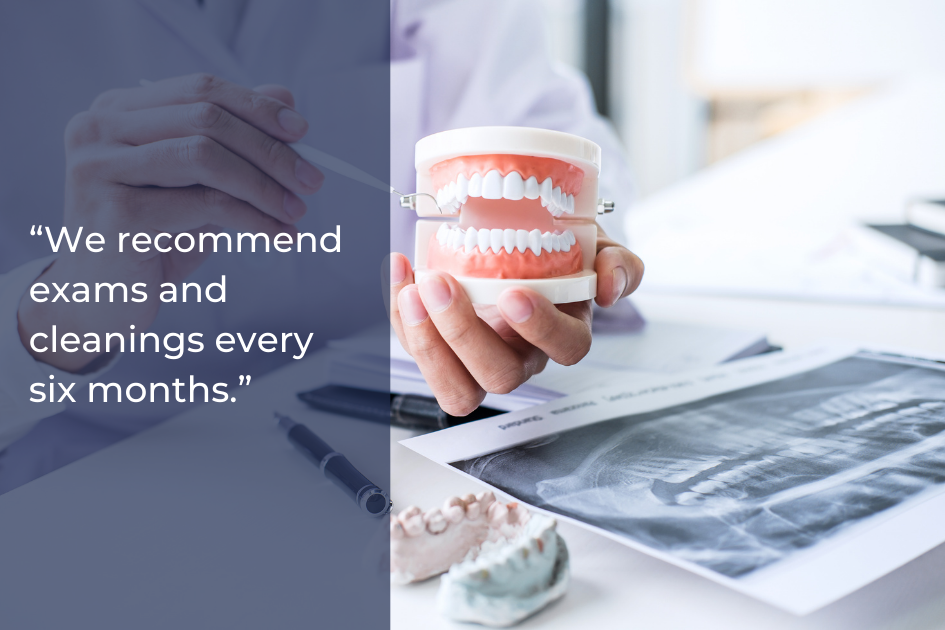
How often should we really come in for a dental visit? For most Austin patients, we recommend exams and cleanings every six months. This dental visit frequency supports oral health importance by catching cavities, wear, and early gum issues before they become painful or costly. You’ll also get preventative care benefits like professional plaque removal and tailored fluoride or sealant guidance. Sometimes we’ll suggest visits every 3–4 months if you’ve had past dental disease, implants, orthodontics, pregnancy changes, or high cavity risk. For smooth appointment scheduling tips, book ahead online and ask our team for patient education.
Why Do My Gums Bleed When I Brush or Floss?
When our gums bleed during brushing or flossing, it often points to gingivitis—early gum disease caused by plaque buildup along the gumline. This sticky film irritates tissue, so brushing or flossing can trigger bleeding. The good news: with consistent oral hygiene and better plaque removal, gums often heal and bleeding stops. Sometimes light bleeding is normal if we’re just starting to floss or we’ve been too aggressive; gentle technique matters. But frequent bleeding, swelling, tenderness, or bad breath are warning signs. We’ll help pinpoint bleeding reasons, protect gum health, and explain flossing benefits.
Do I Really Need Dental X-Rays? Are They Safe?
Why do dentists recommend X-rays even when everything seems fine? Because cavities, infections, and bone loss can hide where we can’t see. The X-ray benefits include spotting problems early, when treatment is simpler and gentler. With today’s digital imaging, technological advancements have cut exposure dramatically, and we follow strict Radiation safety protocols every time. We’ll only take X-rays when they’re needed based on your age, history, and risk factors. Their Diagnostic importance helps us plan care accurately and avoid surprises. We also prioritize Patient comfort with quick, efficient images.
What’s the Best Way to Whiten My Teeth Safely?
Ever wonder which whitening option actually keeps your enamel safe while still delivering a noticeably brighter smile? We recommend starting with a dental exam, then choosing the method that fits your goals and teeth. Professional whitening lets us control gel strength, protect gums, and tailor timing, so your sensitivity comparison often favors in-office care, especially if you’ve had past discomfort. Over-the-counter strips can work, but they’re one-size-fits-all and easier to overuse. Our results analysis looks at shade change and how evenly you whiten. For long-term safety, we’ll guide touch-ups and avoid enamel-damaging shortcuts.
Is Invisalign Better Than Braces for Adults and Teen
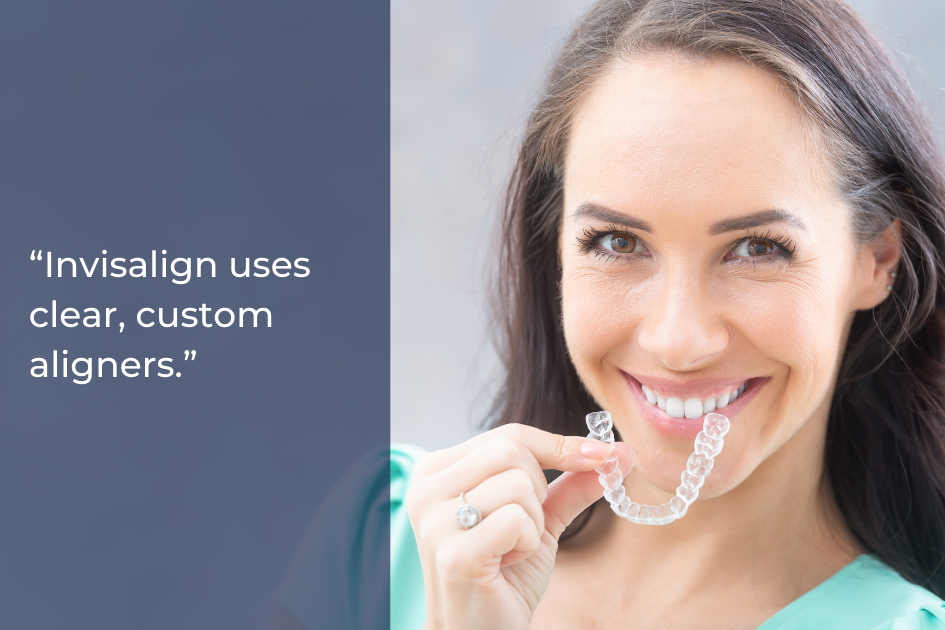
How do you decide between Invisalign and traditional braces for an adult or teen smile? Invisalign uses clear, custom aligners that gently move teeth when you wear them 20–22 hours daily and switch sets on schedule. Invisalign benefits include a subtle appearance and easier brushing, but qualification depends on case complexity and consistent wear, and key age considerations for teens. Treatment duration can be similar to braces, though complex bites may take longer. For a Cost comparison, fees often overlap, yet needs vary. We’ll share Maintenance tips like cleaning aligners and avoiding sugary drinks. We may recommend braces for tough rotations or major jaw corrections.
Why Does My Jaw Hurt or Click When I Chew?
When your jaw clicks, pops, or aches while you chew, it often points to a temporomandibular joint (TMJ) disorder, an issue that affects the joint and muscles that guide your bite. You might notice jaw pain, clicking sounds, stiffness, or headaches. Common TMJ causes include nighttime grinding, stress-related clenching, arthritis, injury, or a bite that’s slightly misaligned. We’ll start with a careful dental checkup to pinpoint triggers and rule out tooth problems. Treatment options often begin conservatively: a custom nightguard, bite adjustments, anti-inflammatory care, jaw exercises, and habit coaching.
What Should I Do If I Have a Dental Emergency?
Even a small dental problem can turn serious fast, so we recommend calling our office right away if you have a toothache, a broken tooth, a knocked-out tooth, facial swelling, or bleeding that won’t stop. For dental pain management, rinse gently with warm salt water and use a cold compress. These emergency care tips help while you head in. If a tooth is knocked out, hold it by the crown, keep it moist, and come to our Austin office quickly. For swelling relief methods, use ice and seek help if fever or trouble breathing occurs. Wear a mouthguard for tooth injury prevention and watch for urgent dental signs.
How Can I Prevent Cavities and Gum Disease at Home?
At home, we can do a lot to stop cavities and gum disease before they start. Here are our best cavity prevention tips and gum care habits to back up your regular dental visits:
- Brush twice daily for two minutes with fluoride toothpaste to get lasting fluoride benefits.
- Floss or use interdental brushes once daily to disrupt plaque along the gumline.
- Make smart dietary choices: limit sugary snacks, sip less soda, and choose tooth-friendly foods.
- Remember hydration importance: drink water often to rinse acids and support healthy saliva. If bleeding persists, let’s check in.
Conclusion
When it comes to our smiles, it helps to have a trusted roadmap. If we’re keeping regular checkups, watching bleeding gums, and using X-rays wisely, we’re already steering away from trouble. Whitening, Invisalign, and TMJ concerns don’t have to feel like a maze; we can sort options safely with a quick visit. And if an emergency strikes like a sudden storm, we’ll know when to call. At home, small daily habits keep decay from taking root. Ready to protect your smile? Contact Masterpiece Smiles in Austin, TX, today to schedule your next checkup or consultation and get personalized care you can trust.
